United Kingdom
Oxford University Museum of Natural History
About
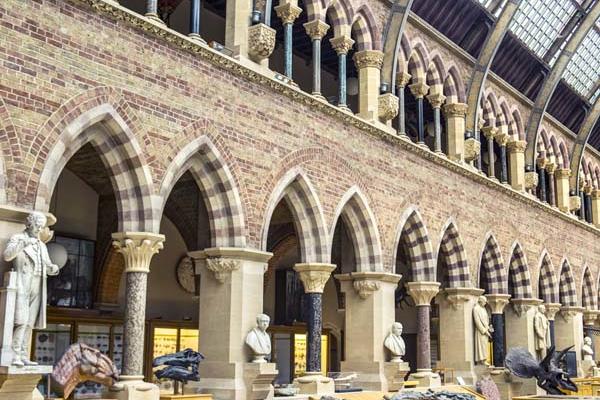
Nestled within the heart of one of the world’s most prestigious universities, the Oxford University Museum of Natural History is a treasure trove of scientific wonder and historical curiosity. Housed in a stunning neo-Gothic building, this museum offers visitors a remarkable journey through the natural world, with its vast collections of fossils, minerals, and taxidermy that tell the story of our planet’s rich and diverse history. Each corner of the museum reveals something new and intriguing, whether it’s the skeleton of a dinosaur, an array of sparkling gems, or the hauntingly beautiful remains of extinct species.
Currently, the museum hosts a variety of fascinating exhibitions. The "First Animals" exhibit invites you to peer into the distant past and discover the earliest life forms that inhabited Earth over half a billion years ago. From unique fossils to carefully constructed models, this exhibition brings these ancient creatures to life. Meanwhile, "Biodiversity Explored" delves into the incredible variety of life on our planet, reminding us of the importance of conservation through dazzling displays of birds, insects, and marine life.
Another temporary highlight is the "A Slice of Time" exhibit, which offers visitors a chance to explore the science of tree rings and climate. It’s an interactive and visually stunning display that combines history, climate science, and natural artistry, showing the evolution of landscapes and environments over thousands of years.
A fascinating piece of trivia: The Oxford University Museum of Natural History is home to the very first remains of the dodo, one of the most famous creatures to ever go extinct. This is the only location in the world where you can see actual remnants of this legendary bird, which was first examined by biologists within these very walls. This unique piece of scientific history offers an intimate connection to one of nature’s most mythical figures, making the museum a must-visit experience.
Audio Tours
No audio tours available yet
Check back soon or explore other museums with tours.
Exhibitions
Permanent Exhibitions

Arthropods and their huge diversity of size
Permanent
More on the official website
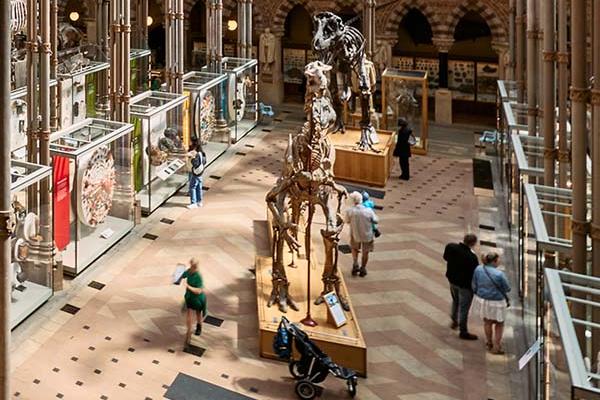
Autism Friendly Opening
Permanent
More on the official website

Bat Trail
Permanent
More on the official website
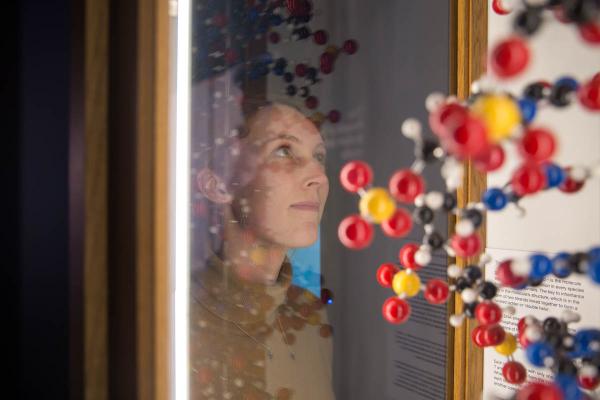
Careers and Volunteering
Permanent
Discover vacancies, volunteering, internships, and bursary placements!
More on the official website
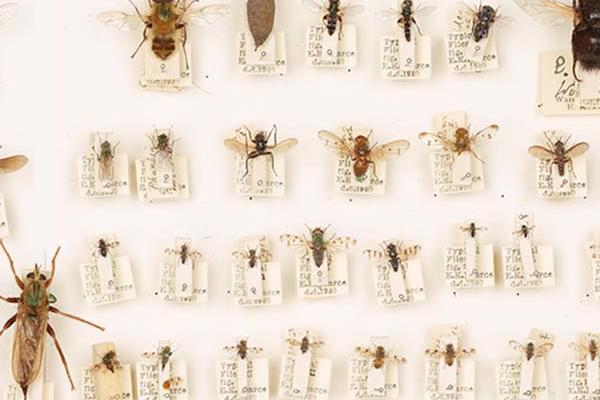
Collections
Permanent
The Museum has over seven million historical and modern specimens encompassing the natural world.
More on the official website

Creativity in Conservation
Permanent
More on the official website

Discover Mineralogy and Petrology
Permanent
The mineralogy and petrology collections include over 30,000 mineral specimens of global provenance and over 100,000 petrological samples including research suites, historic collections and excellent individual examples of various rock types. The collections also encompass gemstones, meteorites and decorative stone.
More on the official website
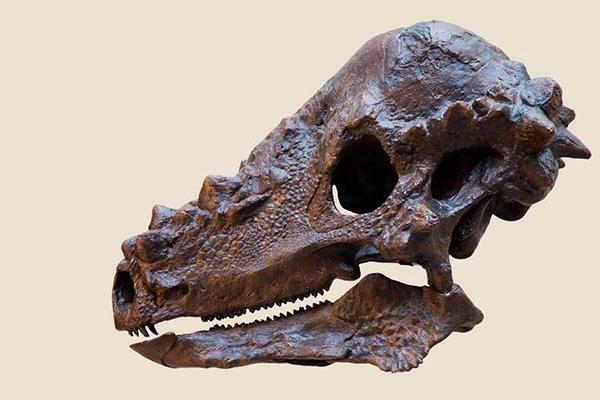
Earth’s five mass extinctions
Permanent
More on the official website

Entry to the Museum is FREE
Permanent
We rely on the generous support of the public to fund our events and exhibitions.
More on the official website
From 'Flying Steed' to High Speed
Permanent
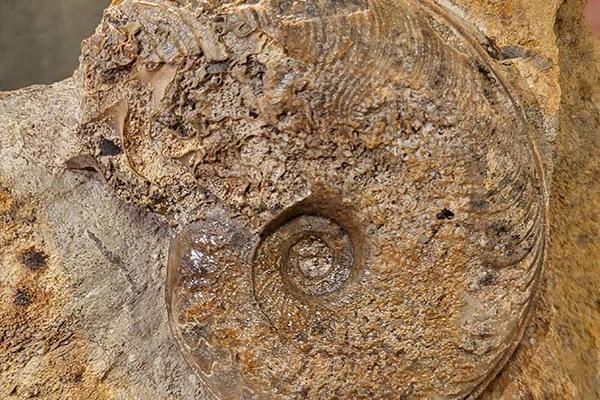
The introduction and expansion of the British railway network in the first half of the 19th century revolutionised travel and the transport of goods across the country. Aside from transforming transportation, the cuttings for the new railway lines revealed rock outcrops that had never before been seen – and, in turn, unveiled a wealth of palaeontological discoveries.
More on the official website
Gemstones
Permanent
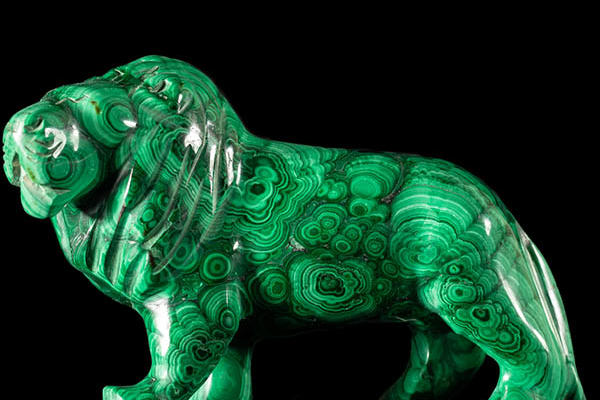
Delve into this colourful display in the Upper Gallery, featuring beautiful gemstones and an incredible variety of jewellery design.
More on the official website

History
Permanent
The Museum building is as spectacular today as when it opened in 1860. Learn more about the world's first purpose-built natural history museum.
More on the official website

Learn
Permanent
The Museum offers a range of learning experiences for different audiences through online activities, in-museum sessions, and self-guided visits.
More on the official website

Moth X Human
Permanent
More on the official website

Our online shop is open! Take home the wonders of the world of Natural History.
Permanent
More on the official website
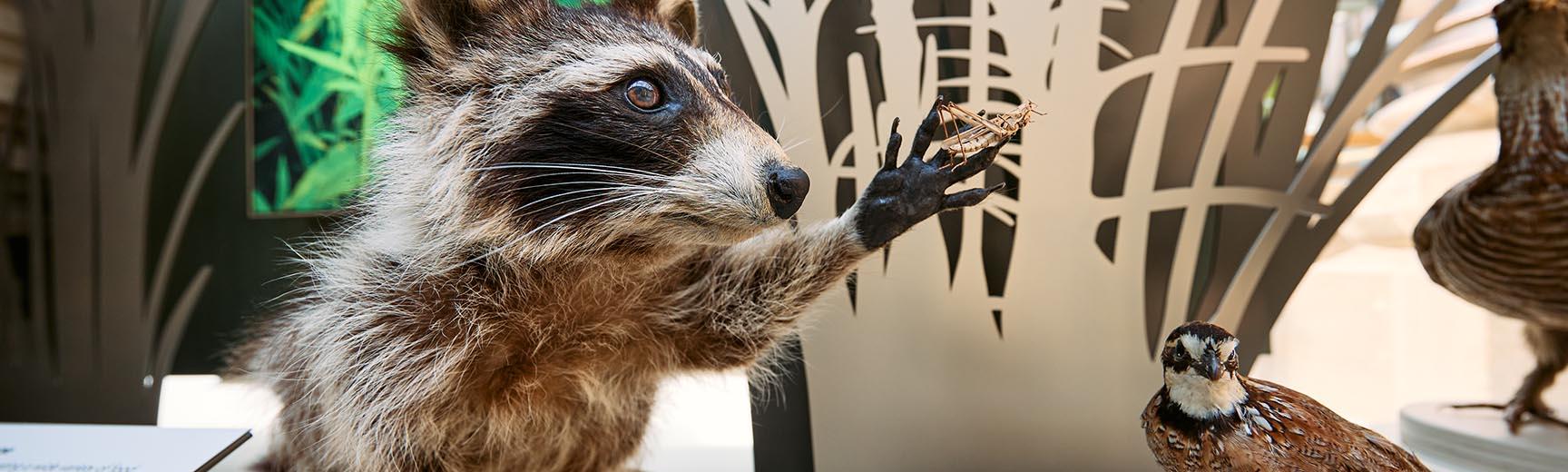
OXFORD UNIVERSITY MUSEUM OF NATURAL HISTORY
Permanent
More on the official website
Palaeontology
Permanent
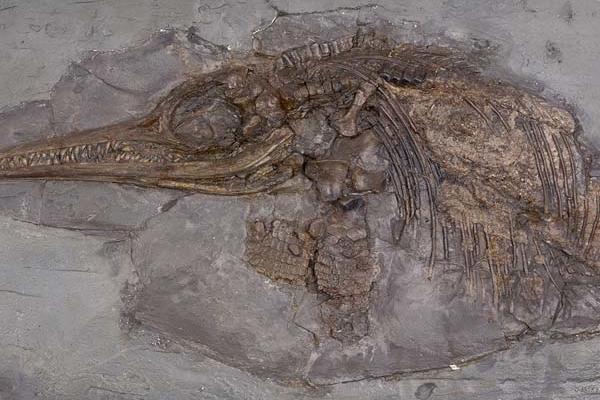
Our palaeontology collections include one of the world’s most important collections of Middle Jurassic dinosaurs; exceptionally preserved specimens with intact soft tissues; and enigmatic fossils representing the earliest complex multicellular organisms. It features around 400,000 fossils, ranging from the Archean, ~2.7 billion years ago, to the end of the Pleistocene, 11,700 years ago.
More on the official website

Research
Permanent
Oxford University Museum of Natural History has been a centre of world-leading research and scientific debate since it opened in 1860.
More on the official website
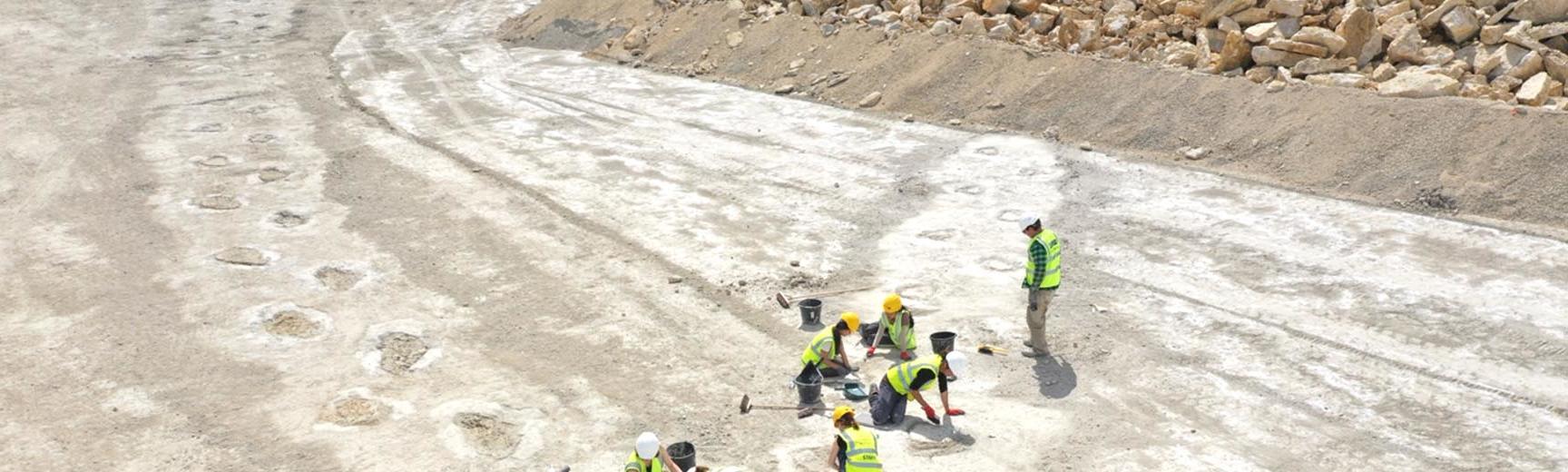
Return to Oxfordshire's Jurassic Highway Excavations to uncover Europe’s longest sauropod dinosaur trackway continued in Oxfordshire this summer. Click to read more
Permanent
Excavations to uncover Europe’s longest sauropod dinosaur trackway continued in Oxfordshire this summer.
More on the official website

Shop for dinosaurs!
Permanent
From knitted a T.rex to a silver T.rex necklace, search our online shop's dinosaur collection to find the perfect gift. Free UK delivery on orders over £40.
More on the official website
Stories in Stone
Permanent
More on the official website

Swifts Diary 2025
Permanent
Monday 8 September They have gone, the last young swift was seen to leave on the 5th September so this concludes the swift diary for 2025. It's always sad when the last one leaves but at least we know that they will return next May.
More on the official website
The Conservation Optimism Short Film Festival
Permanent
More on the official website
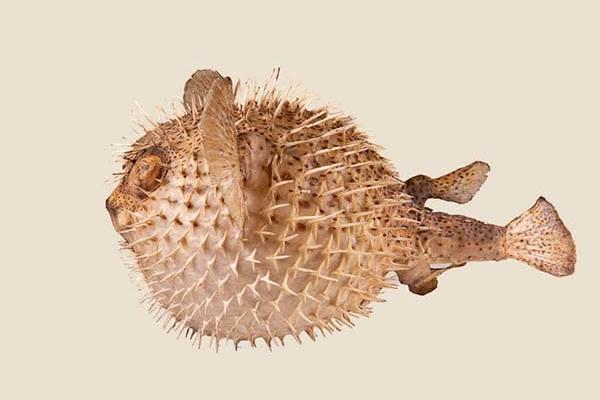
The incredible diversity of 'skin'
Permanent
More on the official website

The Oxford dinosaur that started it all
Permanent
Did you know that the Museum's own Megalosaurus was the first dinosaur to be named and described?
More on the official website
Trilobite Wall
Permanent
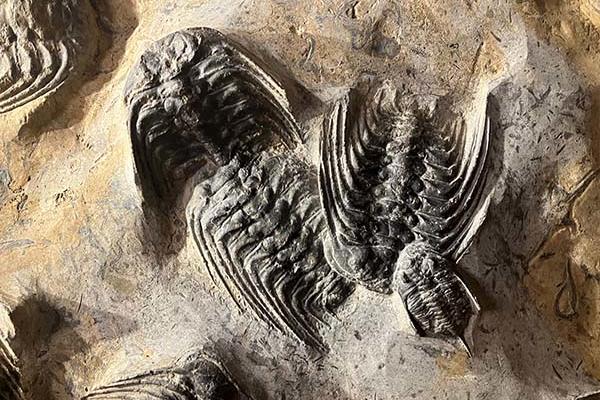
The oceans were once filled with trilobites, ancient animals that are some of the first creatures with hard parts found in the fossil record. A giant slab of rock preserves a natural gathering of three types of trilobite, as well as many brittle stars.
More on the official website

Venue Hire
Permanent
Set in the heart of a historic university city, Oxford University Museum of Natural History provides an inspiring backdrop for a wide range of private events. This characterful neogothic building dates back to the 1850s and is home to over seven million natural history specimens.
More on the official website
Frequently Asked Questions
Help complete this museum
Become a Mooseum content creator
We’re still gathering details for Oxford University Museum of Natural History. Share what you know and help thousands of visitors discover it.
Create an indoor map
Map the galleries so guests can navigate halls, floors, and hidden gems with confidence.
Become a creator
Already contributing? Log in to keep building. Once you’re signed in you can also upload exhibit photos, add tours, and expand visitor tips.
Share
Invite friends and fellow travelers to discover Oxford University Museum of Natural History.
Improve This Page
Spot incorrect info or missing details? Let us know.
Instagram
Wikipedia Info
Collection Size6250000
 Source: Wikipedia
Admission
Free entry
Verify on the museum website
Opening Hours
Opening hours information not available.
Visit official website for hoursNearby Museums
Within 50km
Discover other museums close to Oxford University Museum of Natural History. Plan a multi-museum visit or explore the area.
Pitt Rivers Museum
0.11km
United Kingdom
Nestled in the heart of Oxford, the Pitt Rivers Museum is a treasure trove of global cultures, offering an extraordinary...
Ashmolean Museum
0.48km
United Kingdom
The Ashmolean Museum in Oxford is a treasure trove of history, art, and culture, captivating visitors since its foundati...
History of Science Museum
0.54km
United Kingdom
The History of Science Museum in Oxford occupies a uniquely distinguished place in the global landscape of scientific in...
Museum of Oxford
0.82km
United Kingdom
Discover this museum and explore its collections.
The Story Museum
0.93km
United Kingdom
Discover this museum and explore its collections.
Christ Church Picture Gallery
0.94km
United Kingdom
Discover this museum and explore its collections.