The Civico Museo di Storia Naturale di Trieste opens a window onto the natural world of the Adriatic, the Karst plateau, and far beyond. Set in a city shaped by sea routes and scientific exchange, the museum feels both local and wide-ranging: one moment you are meeting creatures from the Gulf of Trieste, the next you are face to face with fossils, minerals, and traces of deep geological time.
Its collections are especially rich in paleontology, zoology, and earth sciences, with displays that reward both quick curiosity and slow looking. One of the museum's most memorable highlights is the celebrated dinosaur fossil known as Antonio, a striking reminder that this region has a prehistoric story of its own. Elsewhere, shells, insects, birds, and mammals build a vivid picture of biodiversity across land and sea.
There is a thoughtful, old-school charm to the museum, shaped by Trieste's long tradition of research and collecting. Visitors can wander through galleries that connect science to place, discovering how the landscape around the city has formed, changed, and been studied over time.
For families, students, and anyone drawn to nature, it is a museum that invites close attention. You leave with a sharper sense of the region—and of the astonishing variety of life and history held within it.
No audio tours yet
Visited Civico Museo di Storia Naturale di Trieste? Make the first audio tour: AI helps with the stops, scripts and narration.
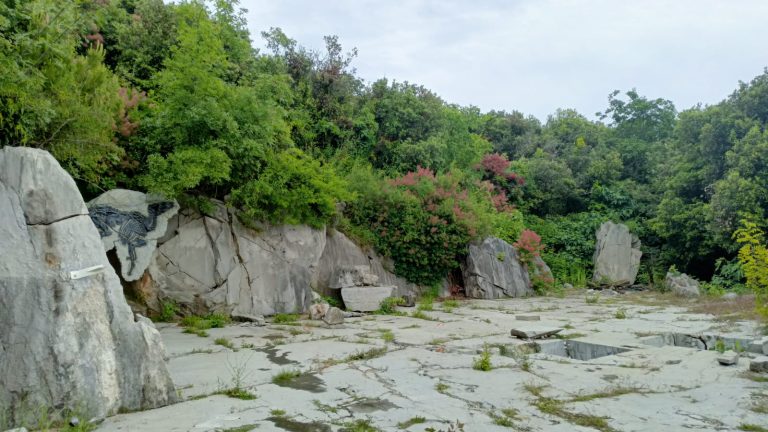
Il Museo Civico di Storia Naturale di Trieste organizza un nuovo incontro al sito a dinosauri del Villaggio del Pescatore (Duino Aurisina, Trieste), aperto eccezionalmente
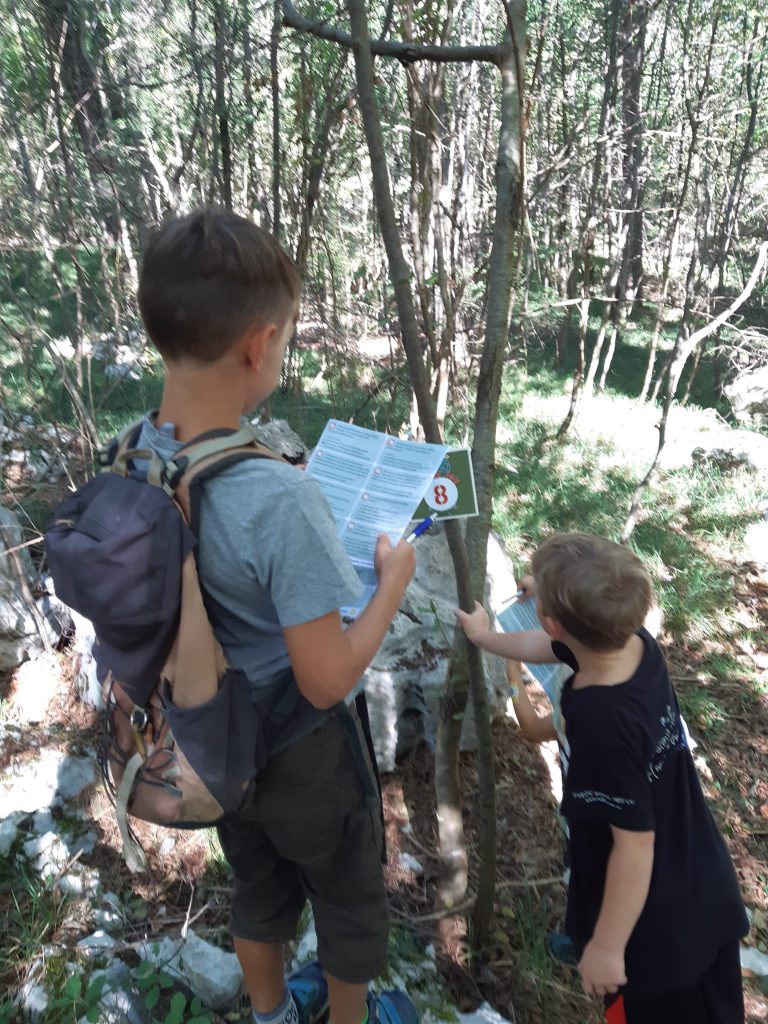
Il Servizio Geologico della Regione con il Museo Civico di Storia Naturale di Trieste, Curiosi di natura soc. coop. e il Centro didattico Naturalistico di

Sabato 27 settembre alle ore 10.30 al Salone degli Incanti si terrà la conferenza stampa e presentazione alla cittadinanza della nuova offerta didattica dei Musei

 Wikipedia
 X (Twitter)